Bellingham Mitigation Bank

The City of Bellingham is planning to open its first mitigation bank in February or March 2027!

October 5, 2026 Council Update: City staff shared an update on the project with City Council during the Public Works and Natural Resources Committee on Monday, October 5. A video recording of the presentation will be posted on the meeting page soon.
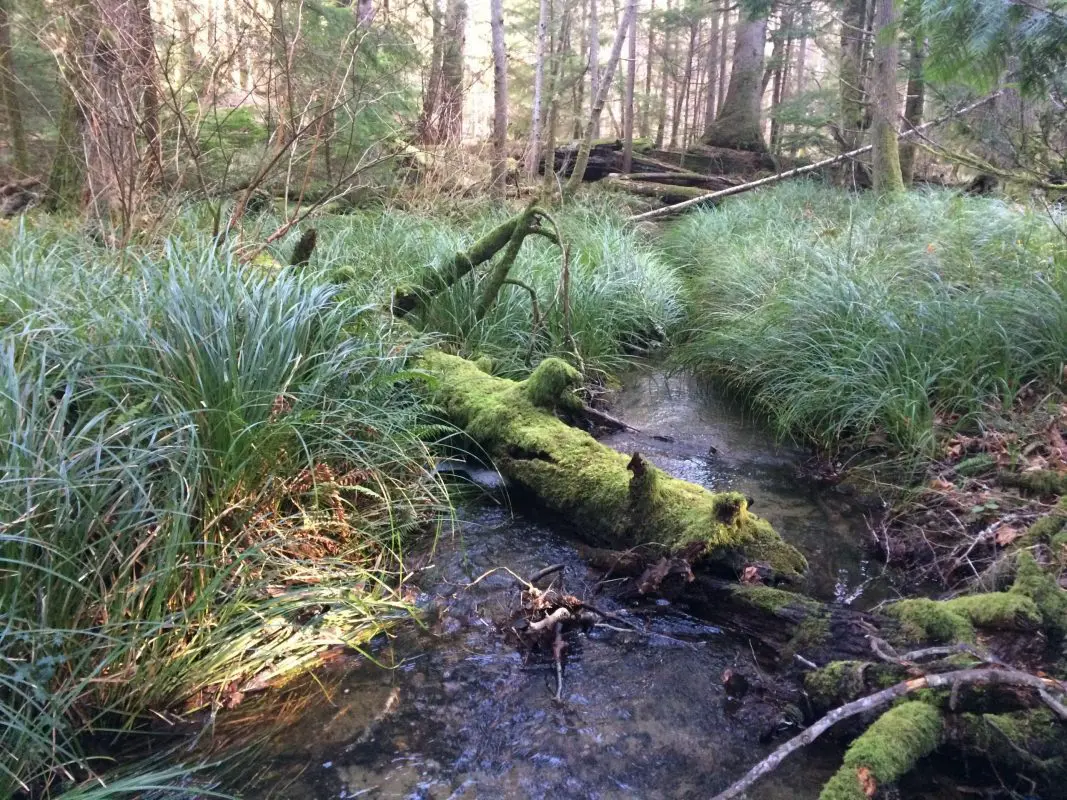
Wetland area

What is the Bellingham Mitigation Bank?

The Bellingham Mitigation Bank (Bank) provides mitigation for unavoidable impacts to freshwater wetlands, streams, and their associated buffers. It protects high-priority habitats, improves water quality, and helps reduce flooding, while also helping developers efficiently meet environmental regulations.

Creating a mitigation bank takes many years and requires approval from state and federal agencies. In 2018, the City bought land for the Bank and submitted initial application materials. The Bank has been under review since then and is expected to be operational in February or March 2027.

More information

  • Improve the success of wetland and stream mitigation projects by working on large, ecologically important areas.
  • Achieve regional conservation goals by aligning projects with watershed needs. 
  • Reduce loss of aquatic habitat by completing ecological improvements before impacts happen.  
  • Provide mitigation options for public and private developers.  
  • Streamline the permitting process by offering a reliable and efficient alternative to doing individual on-site mitigation projects. 

A bank is a large area where wetlands, streams, and upland habitats are protected and improved before impacts happen to create “credits”. Developers can buy these credits to make up for unavoidable impacts to wetlands or streams for their projects to meet mitigation requirements.

Developers commonly meet mitigation requirements by completing their own on-site projects, resulting in small, scattered project sites. These projects tend to have high costs, high rates of site failure, low ecological value, and delays. A mitigation bank is an alternative option that helps address these problems. Banks cover large, connected areas of protected and restored land, making them more effective at functioning like natural ecosystems.

Benefits include:

  • Better ecological functions: Large areas allow ecological processes such as water flow, nutrient cycling, and wildlife movement, to occur with fewer interruptions. Small, disconnected mitigation sites can become isolated and unable to support full ecosystem functions.
  • Reduced habitat disturbance: Large habitats have more interior area and less “edge”, which means less exposure to pollution, invasive species, human disturbance, and erosion.
  • More space for natural water movement and flow: Wetlands, streams, and floodplains need space for water to move, spread, and fluctuate. A single large restored floodplain or wetland can re-establish natural hydrology. Many small sites can’t replicate this because they often sit in constrained or highly altered landscapes.
  • Improved wildlife habitat and movement: Animals need connected habitat. Large mitigation banks support breeding populations, migration, and genetic diversity.
  • More effective management: Restoring and maintaining one large site is usually more consistent and effective than trying to maintain many small ones. This tends to result in higher-quality long-term stewardship and compliance with ecological performance standards.
  • Lower risk of project failure: Mitigation banks are usually developed by specialists, monitored for years, and required to meet strict ecological criteria before credits can be sold. This leads to more reliable outcomes than small, permit-by-permit mitigation efforts, which often have less oversight.
  • Greater long-term protection: Bank sites typically come with permanent conservation easements and long-term funding mechanisms. Smaller permit-driven mitigation sites may lack long-term protection or adequate funding.

The term “mitigation” means to lessen harm caused by an action. When a project affects wetlands, streams, or habitats, agencies require the project avoid, minimize, and then make up for these impacts so there is no net loss in ecological function. 

Wetlands, streams, and habitat areas help with flood control, groundwater recharge, water quality, erosion control, recreation, education, and wildlife support. 

These shared resources are protected by many City, state, and federal rules such as the City’s Critical Areas Ordinance (CAO), Shoreline Master Program (SMP), and Bellingham Plan, as well as the federal Clean Water Act, Endangered Species Act, Growth Management Act, and more.  

Before using a bank, a project must show it has avoided and minimized impacts to the maximum extent possible using “mitigation sequencing”. This series of steps is defined in the City of Bellingham Critical Areas Ordinance (CAO), Bellingham Municipal Code (BMC) 16.55.250, and Chapter 197-11-768 of the Washington Administrative Code (WAC).

Mitigation Sequencing Steps

  1. Avoid the impact altogether by not taking a certain action or parts of an action
  2. Minimize impacts by limiting the degree or magnitude of the action and its implementation, by using appropriate technology, or by taking affirmative steps to avoid or reduce impacts
  3. Rectify the impact by repairing, rehabilitating, or restoring the affected environment
  4. Reduce or eliminate the impact over time by preservation and maintenance operations during the life of the action
  5. Compensate for the impact by replacing, enhancing, or providing substitute resources or environments
  6. Monitor the impact and take appropriate corrective measures

After completing steps 1 through 4, if impacts remain, the project must provide mitigation. If the project is inside a bank’s “service area” and credits are available, the project may buy credits to meet its mitigation requirements.

Contact information

Our public calendar is being upgraded and may be unavailable for periods of time on Friday, Jun 19.
