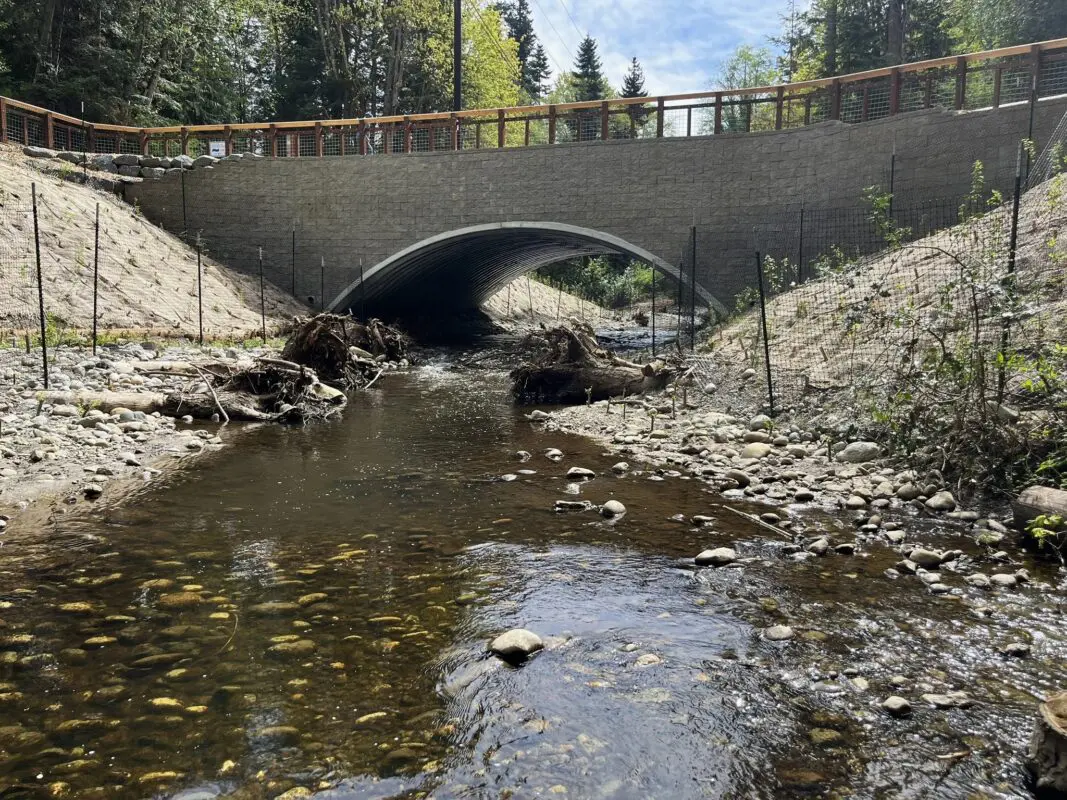
In October, the Nooksack Indian Tribe, Lummi Nation, Washington Department of Fish and Wildlife (WDFW), and the City of Bellingham signed a new Memorandum of Agreement (MOA) establishing shared priorities and a plan for removing barriers that prevent salmon and other fish from moving through local streams.
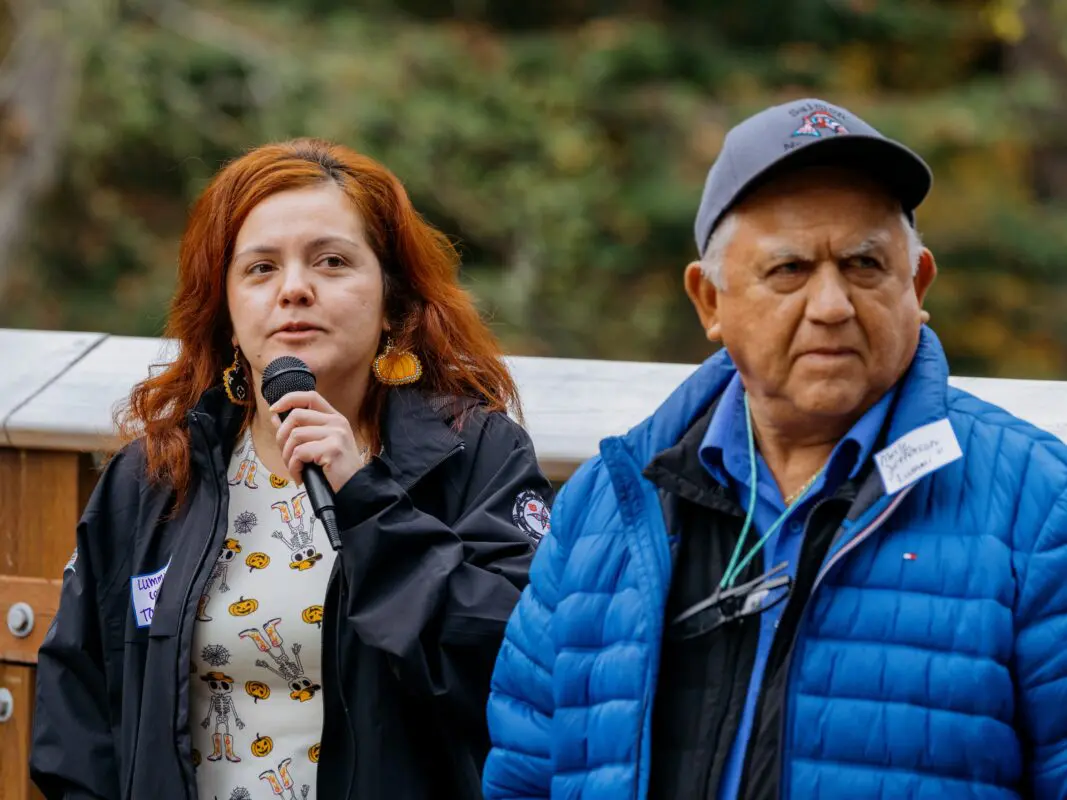
“We are fishing tribes,” said Merle Jefferson Sr., Director of Lummi Nation’s Natural Resources Department. “I’m glad to see this happening. We have rights to protect the salmon, protect the habitat.”
Building on years of collaboration
The partners first formalized their shared goals for fish passage through an MOA in 2022. In 2025, they jointly developed an implementation plan to address City-owned fish barriers. The new 2026 MOA replaces the earlier agreement and adopts the implementation plan, setting a prioritized schedule for fixing City-owned culverts that block or partially block salmon and other fish that migrate or live in local streams.
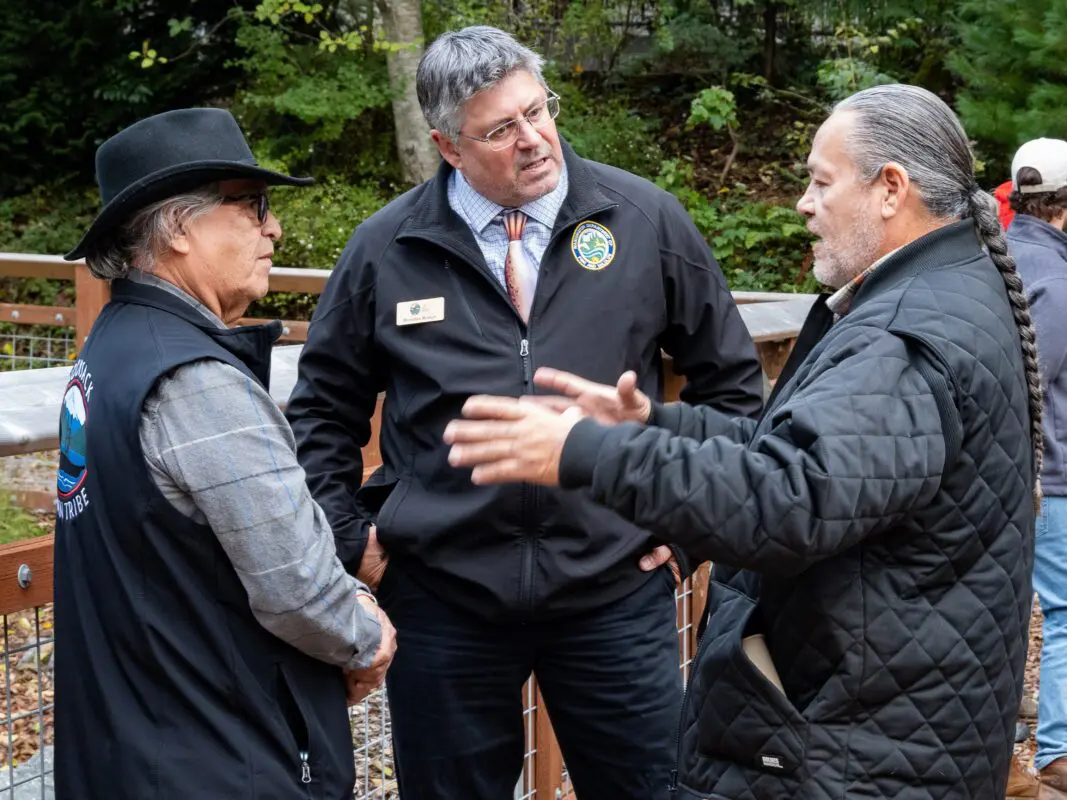
“This is one of the first cooperative agreements of its kind in Washington state,” said Brendan Brokes, WDFW’s North Puget Sound Regional Director. “This MOA demonstrates how voluntary, collaborative planning can move quickly to support reconnecting habitat and restoring ecological functions, which supports healthy salmon runs, communities, and tribal nations. We’re proud to support this proactive fish passage agreement between the City, state, and area Treaty Tribes.”
Agreed-upon timelines and ways to track progress help ensure transparency, trust, and long-term progress. The agreement also strengthens the partners’ collective position when applying for state, federal, and competitive grants to support future fish passage projects.
A regionally tailored path forward
Using a detailed inventory of City-owned fish passage barriers, the partners jointly prioritized barriers based on benefits to fish and cultural significance. This approach focuses efforts on the projects that will provide the greatest benefit, including improving passage for culturally and economically important salmon returning to Tribal Usual and Accustomed fishing areas.
“We are always trying as a tribe to bring back our salmon… salmon are a placeholder for our culture,” said George Swanaset Jr., Nooksack Indian Tribe’s Cultural Resources Director. “Salmon are important to us, but it’s everything… what salmon live off of, what they eat. I used to be able to go out and hear the sounds, the chirps of the cougar, different sounds that animals make. But throughout the years, I heard these disappear… the silence was loud. But then with work like this, it brings it all back. It brings back our way of life.”
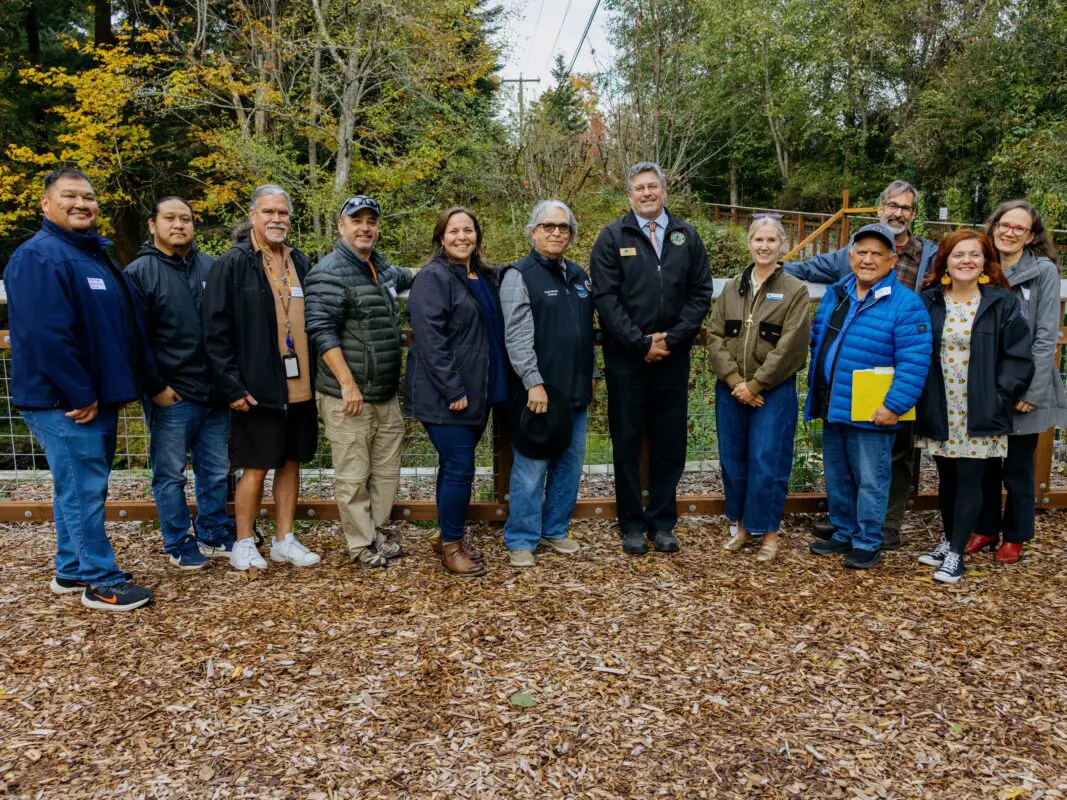
“We’ve got to keep fighting for the fish, but fighting together,” said Tanesha Lane, a member of the Lummi Indian Business Council.
Upholding Tribal Treaty Rights
The MOA recognizes that the Nooksack Indian Tribe and Lummi Nation hold Treaty-reserved rights to fish and co-manage fisheries within their Usual and Accustomed grounds, which includes a sharing agreement for half of the harvestable salmon. Both Tribes further assert federal reserved water rights in the Nooksack River basin. The City is responsible for designing, constructing, and maintaining the roads and culverts that intersect with local streams.
“This second agreement advances our shared dedication to sustaining Tribal cultural practices by clearly articulating an implementation plan that translates vision into action to improve habitat for salmon and other fish,” said Bellingham Mayor Kim Lund. “By working together, we’re able to advance solutions that honor deep cultural connections, uphold Treaty rights, support salmon recovery, and make the best use of public resources.”
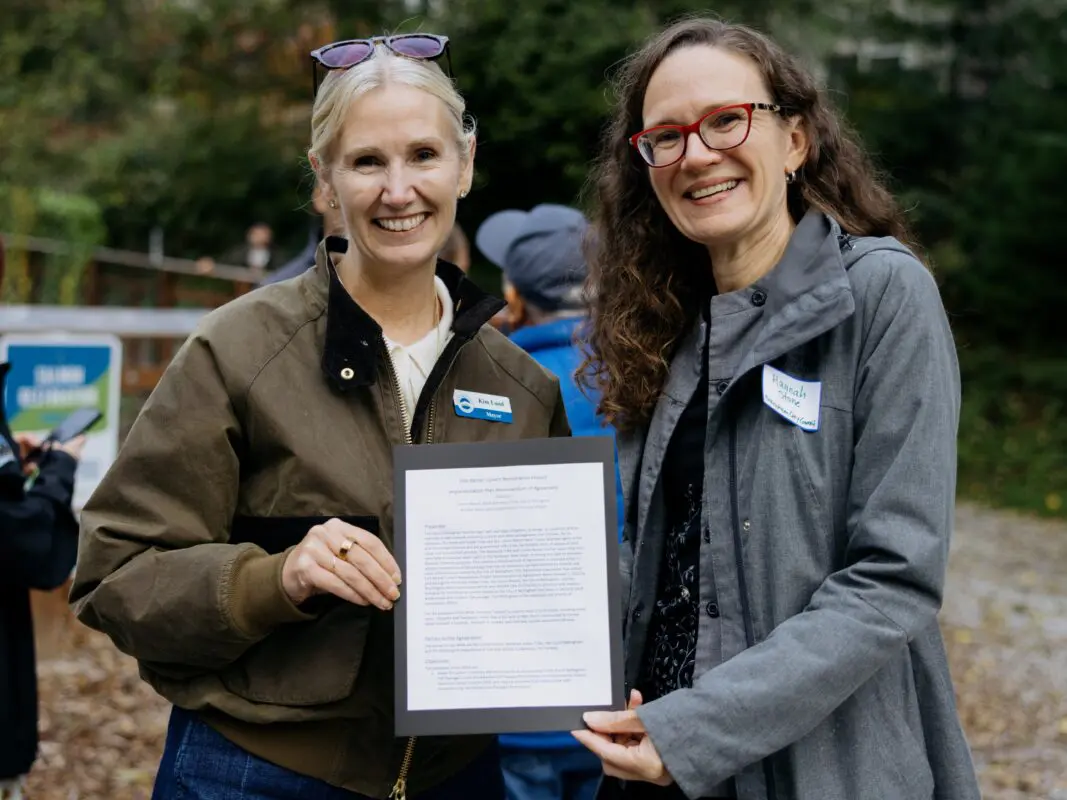
Celebrating progress at Padden Creek
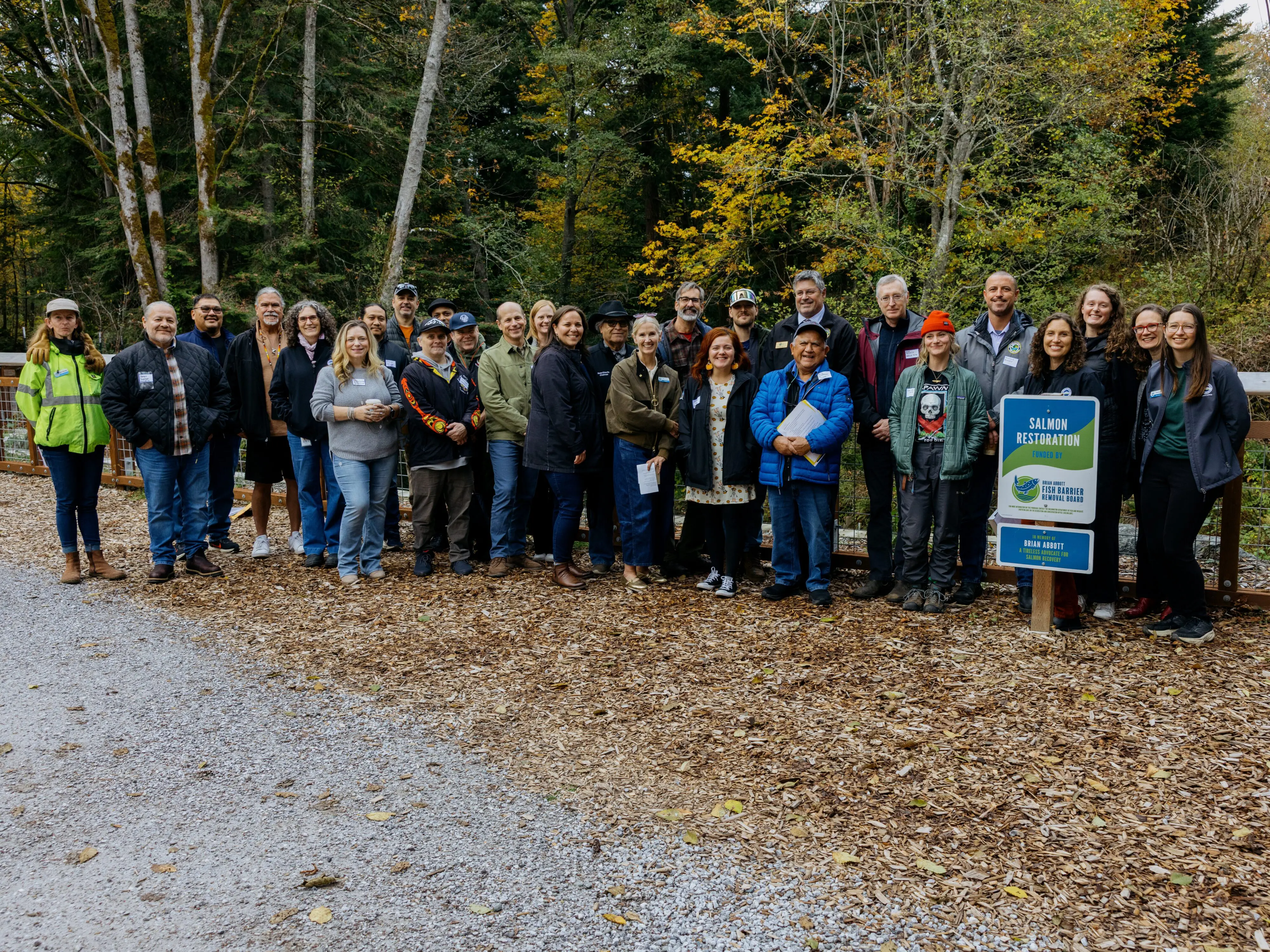
The partners commemorated the signing of the MOA with a visit to two recently completed Padden Creek fish passage projects in October 2026. These projects show the type of barrier-removal work the new agreement will help advance.
“It’s very historical today,” said Jesse Madera, Nooksack Tribal Council Member, at the event. “To see what can happen in two years, this is great for our fish.”