Overview
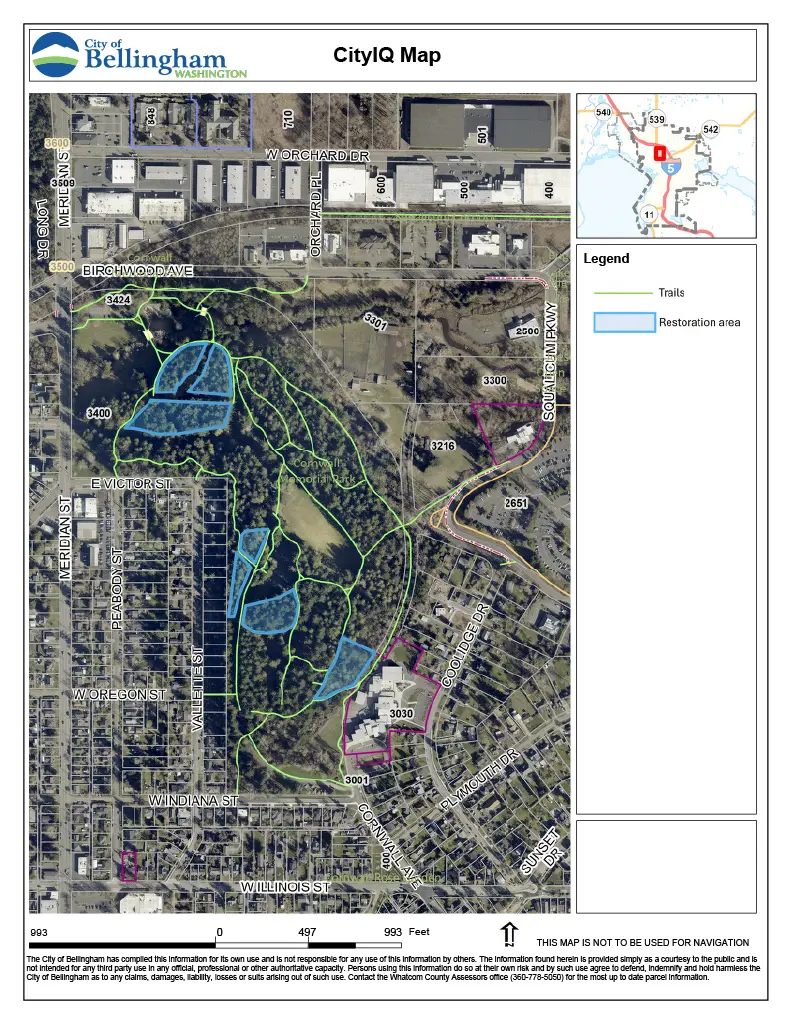
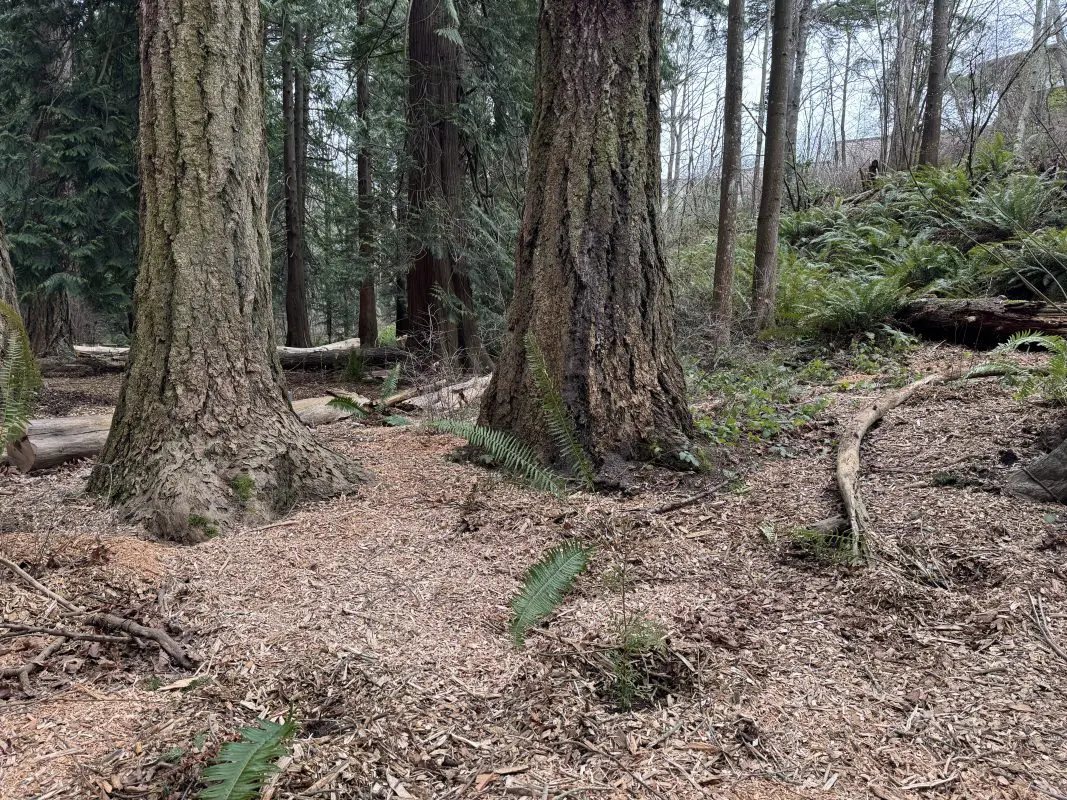
After many years of heavy use, some forested areas at Cornwall Memorial Park show signs of wear, including compacted soil and loss of native plants and trees. Restoration work is focused on rebuilding a diverse forest understory of native plants, and supporting the long-term health of large conifer trees such as Western Red Cedar, Douglas Fir, and Western Hemlock. Restoring this urban forest will:
- Strengthen climate resilience, as urban canopy cover reduces summer air temps, shelters people from cold winter wind, sequesters carbon, and increases ecosystem services and wildlife habitat
- Support salmon habitat and water quality in Squalicum Creek, which flows through Cornwall Memorial Park
- Ensure sustainable recreation opportunities for current and future generations
Impacts to the public
Priority forest restoration areas will remain fenced off for 3-5 years. The fenced areas will be closed to the public, with limited-access gates to retrieve stray disc golf discs. We do not plan to close any trails, parking spaces, sports courts, restrooms, or other infrastructure in the park.
Timeline and status
- Mid-2025: Priority areas were identified, mapped, assessed, and fenced off.
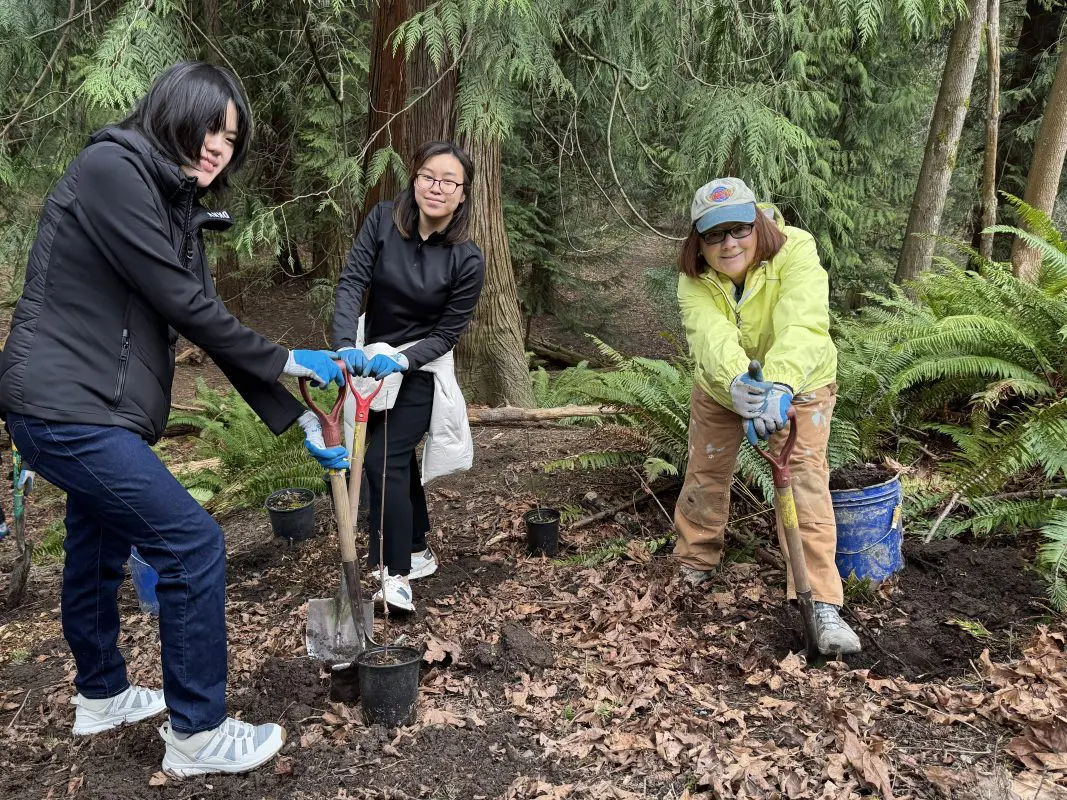
- February 2026: Volunteers installed 162 native trees and shrubs in the southern-most zone.
Restoration plantings will continue in fall and winter planting seasons for 3-5 years, and may include a mix of staff, volunteer, and Washington Conservation Corps (WCC) crew efforts. Native trees, shrubs, and groundcovers take 3-5 years to fully establish, depending on factors such as soil chemistry, weather, and disturbance.
Background
Cornwall Memorial Park is one of Bellingham’s oldest parks, and is a beloved community destination known for diverse recreational opportunities and a mature urban forest. The park offers 70 acres of natural area to explore through a mix of mature conifer forest and open fields.
As the population of Bellingham and use of Cornwall Memorial Park has increased, so have harmful human impacts. Increased foot traffic through forested areas has caused widespread soil compaction, which harms (and even kills) mature conifer trees such as Western Hemlock, Douglas Fir, and Western Red Cedar. In November of 2025, the City’s Urban Forestry team removed 20 dead or dying trees from the park.
Large mature evergreen trees give us priceless benefits, including:
- Temperature regulation year-round, with shade and reduced ambient air temperature in the summer and shelter from cold wind in the winter
- Flooding and erosion mitigation
- Exponentially more carbon sequestration than smaller trees
- Supporting the City’s Urban Forest Management goals
Squalicum Creek also flows through the park, providing habitat for coho, chum, and pink salmon, in addition to Chinook and steelhead, which are both listed under the Endangered Species Act. It also supports populations of birds and mammals, as well as recreational opportunities for residents and visitors. However, this habitat is at risk. Symptoms of ecosystem stress include poor water quality and declining salmon populations. Ongoing restoration efforts by the City aim to improve water quality, wildlife habitat, and ecosystem services in Squalicum Creek.
Without intervention, overuse would destroy the park we know and love, and cause environmental harm.
Funding
Greenways Levy and General Funds (from the Park Operations budget)
Photos
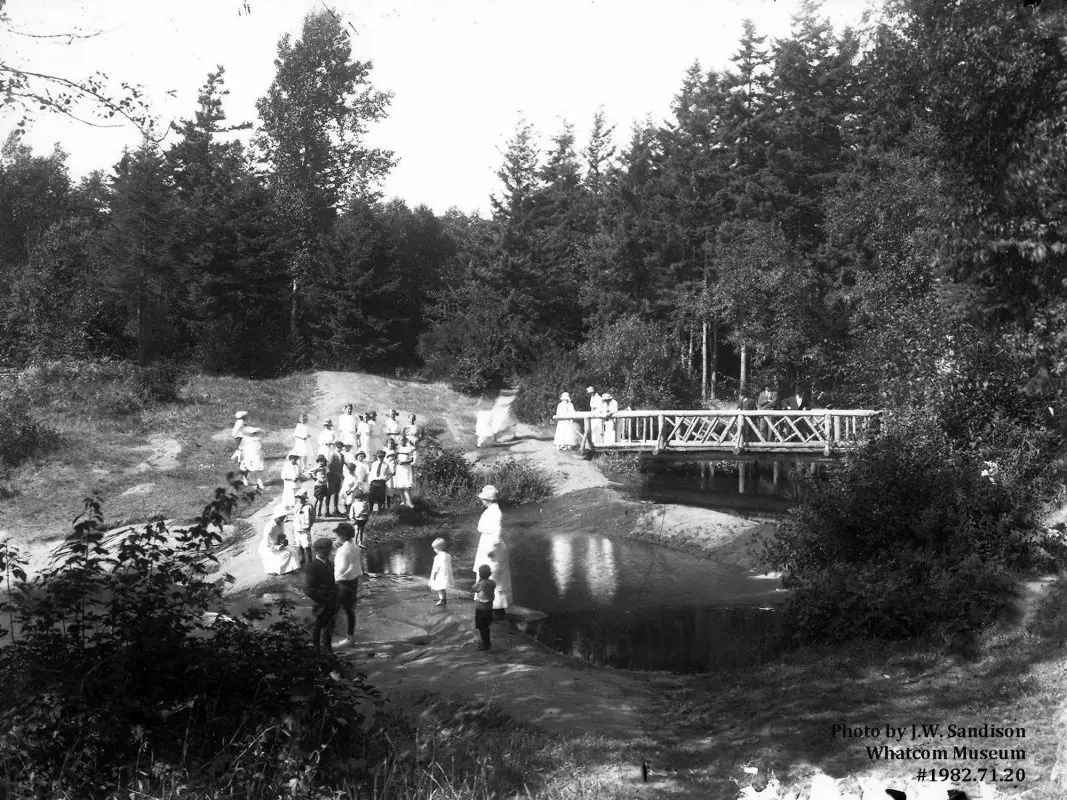
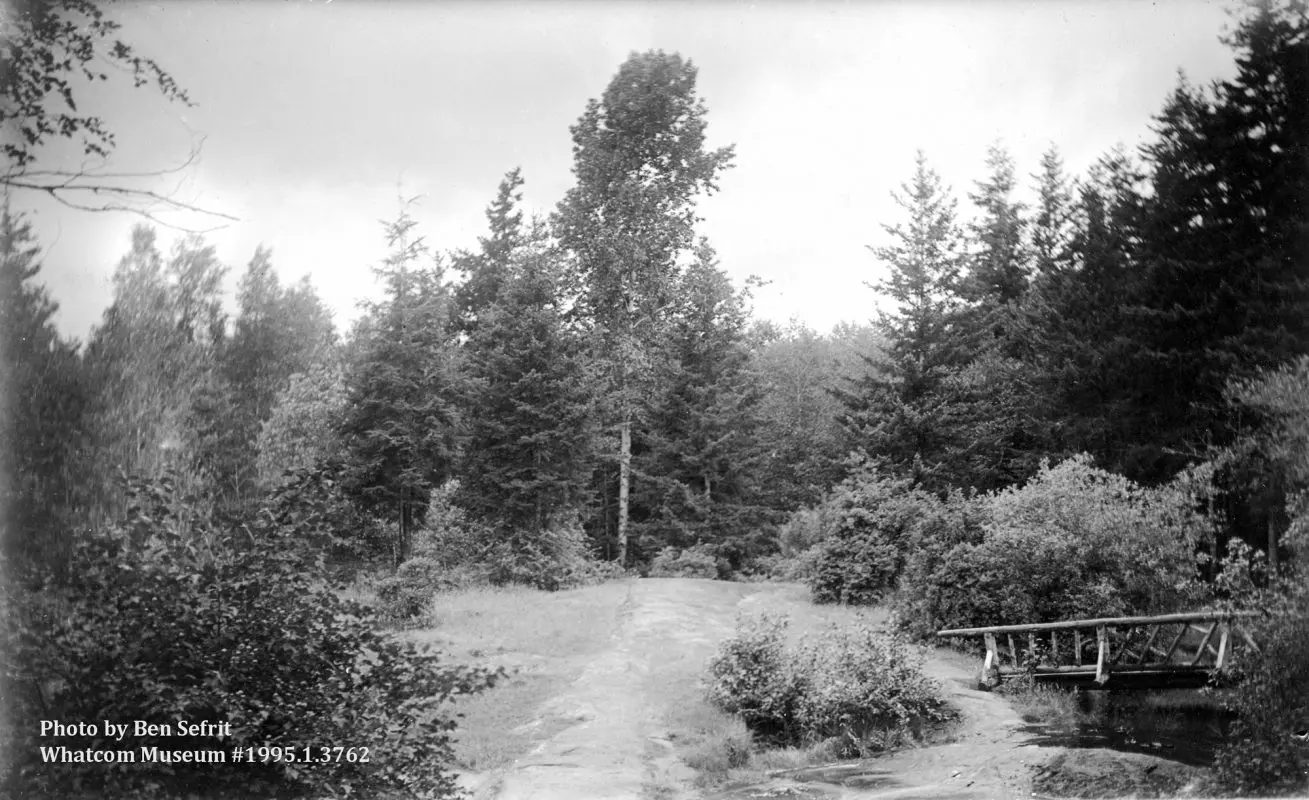
Cornwall Park in the early 1900s
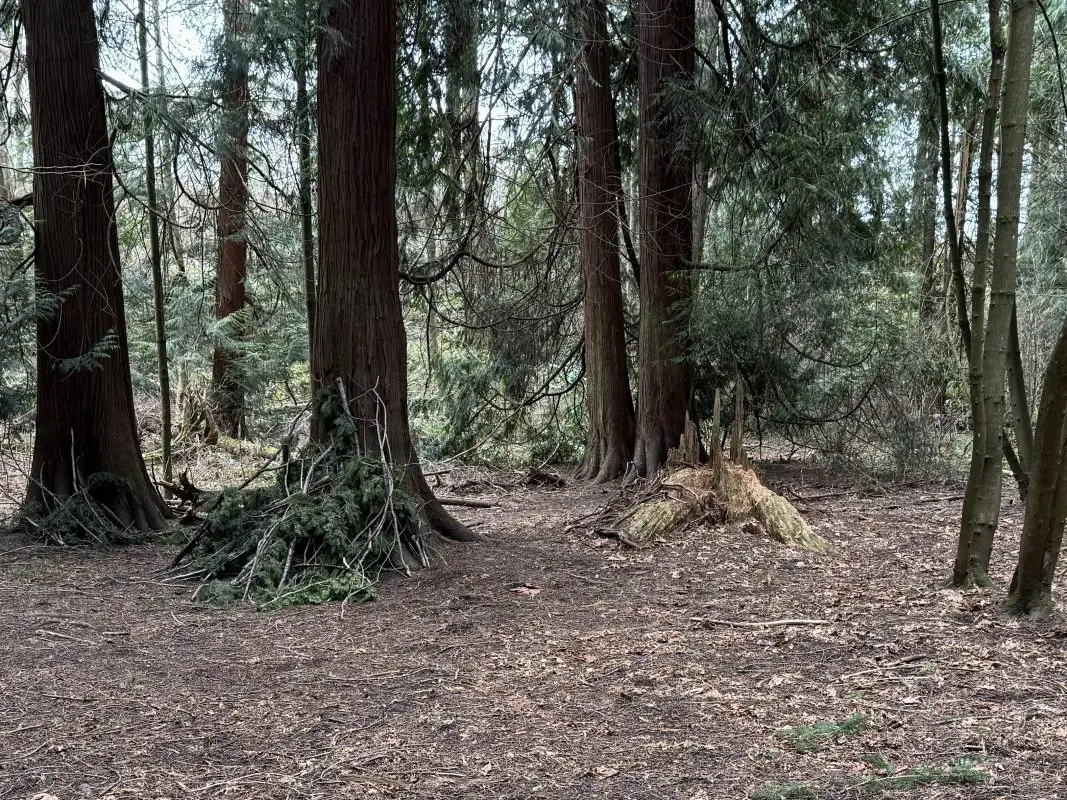
A part of Cornwall Park (near disc golf hole #1) with almost no forest understory
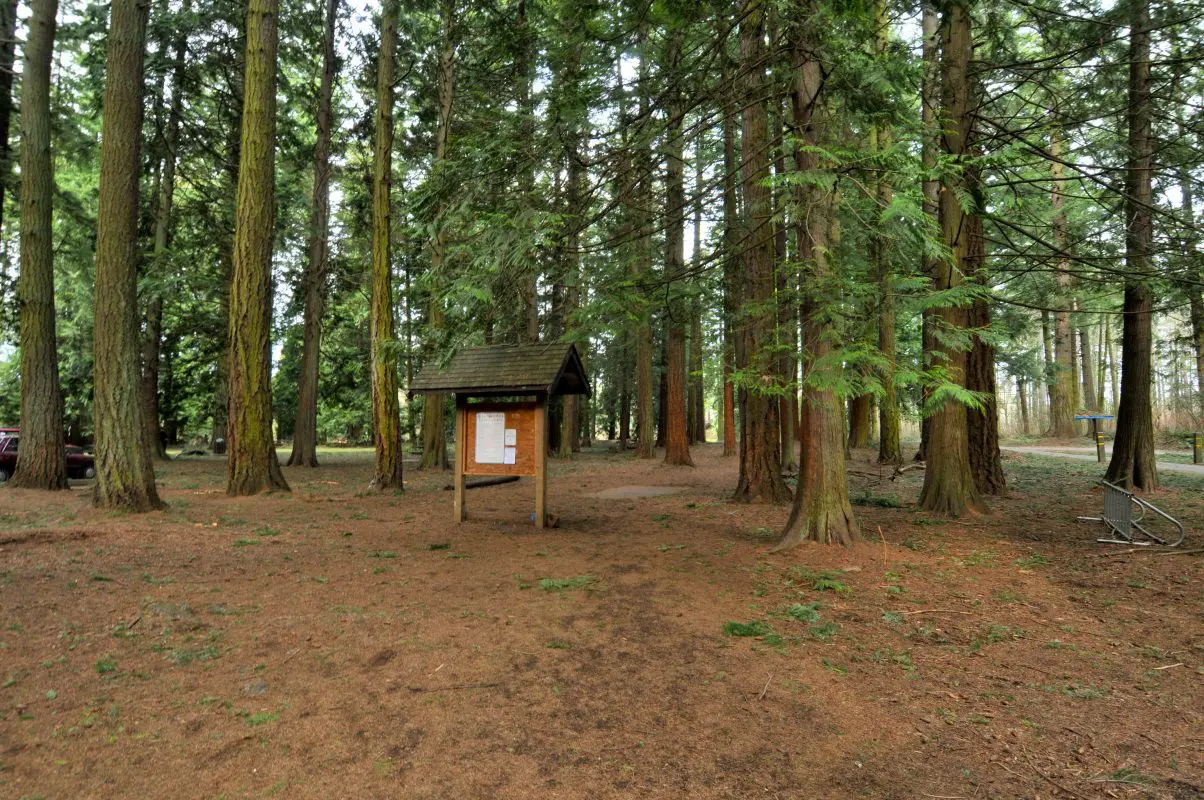
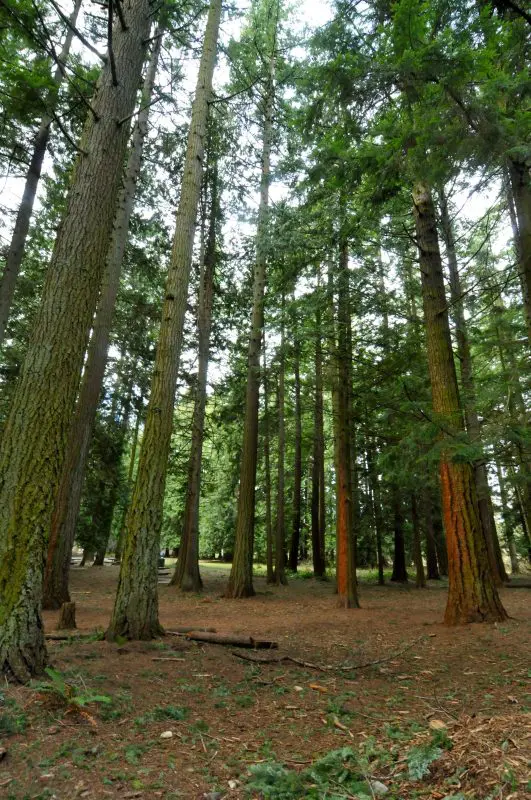
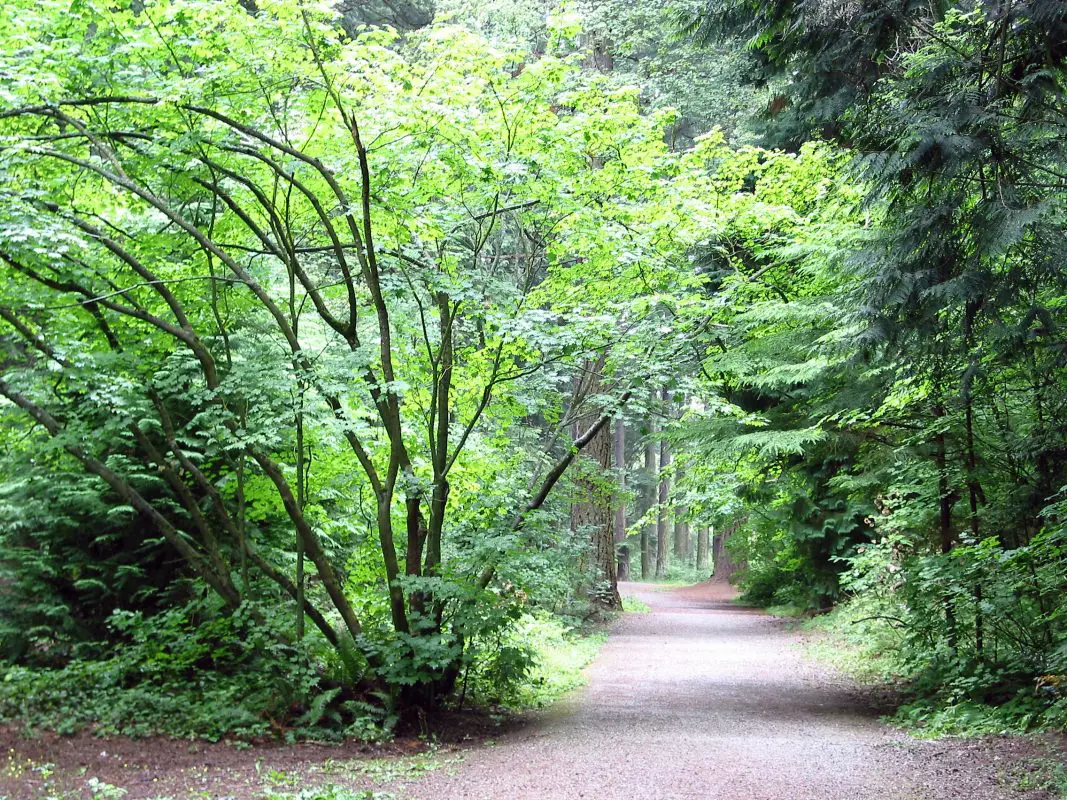
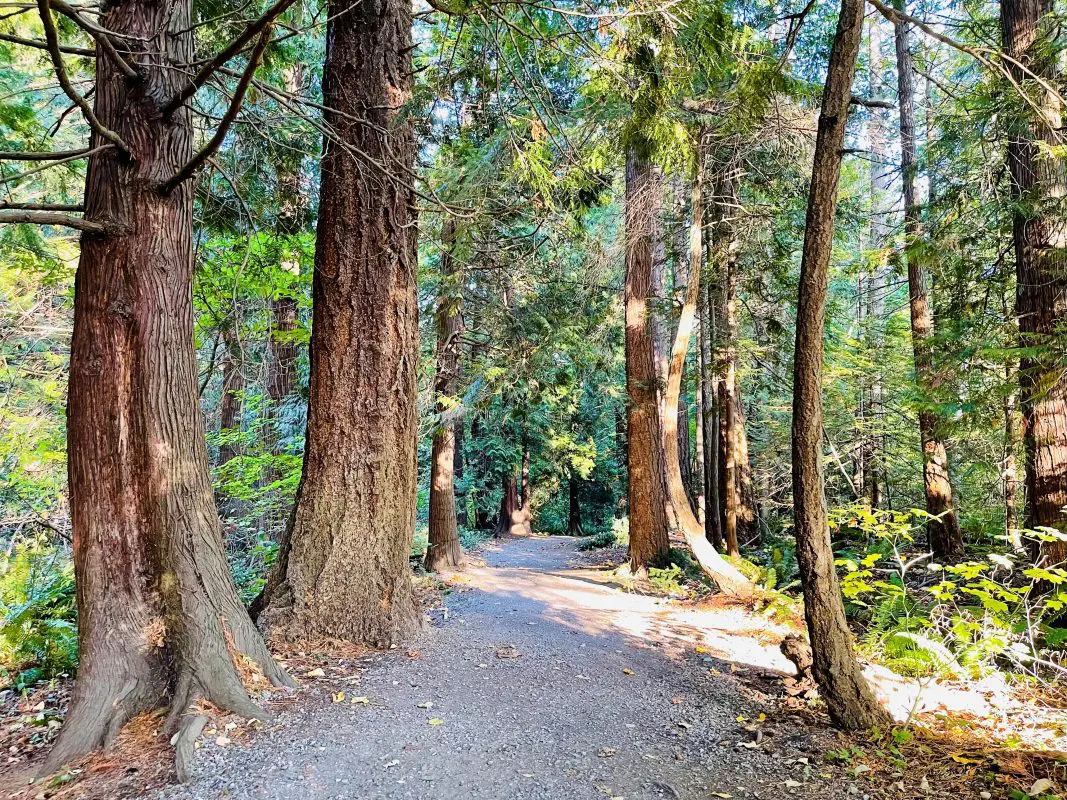
Parts of Cornwall Park that show an intact forest understory
Contacts
General questions: Melissa Bianconi, Recreation Manager – 360-778-7004 or mrbianconi@cob.org
Media: Kelsey Thomas – media@cob.org
