Wondering what happens after you share a traffic concern with the Community Streets Program? We take your input and work towards finding solutions that benefit our neighborhoods. Learn more about the process of submitting concerns and how we address them below.
Step 1 – Identify
Notice a traffic issue on your residential street or a residential street that you frequently use that is part of our 2026 focus area (Birchwood, Columbia, Cornwall Park, Lettered Streets, Sunnyland, City Center, and York neighborhoods)? Speeding? Poor visibility? We can address concerns on residential streets related to:
- Speeding
- Visibility and sight distance
- Traffic volume and congestion
- Parking and access
- Infrastructure and road conditions
Step 2 – Report
Share your concerns with us online, by phone, or in person (event information coming soon). It only takes a few minutes. For the 2026 focus area, you can submit concerns through March 31, 2026.
- Take our survey
- Call 360-778-7700
- Or email CommunityStreets@cob.org
Step 3 – Collaborate
We’ll review all submitted concerns in spring and summer 2026 and follow up with you once your request has been evaluated. Each concern will be placed on a response pathway to help determine the next steps. Depending on the complexity of the issue, some concerns may be addressed in 2026, while others may be added to a future plan based on available funding and staff capacity. Learn about the potential pathways for your concern:
Checklist Actions
If your concern is a straightforward, immediate issue, we will address it as a Checklist Action. These are quick fixes and are usually handled by Public Works staff.
Examples of Checklist Actions include:
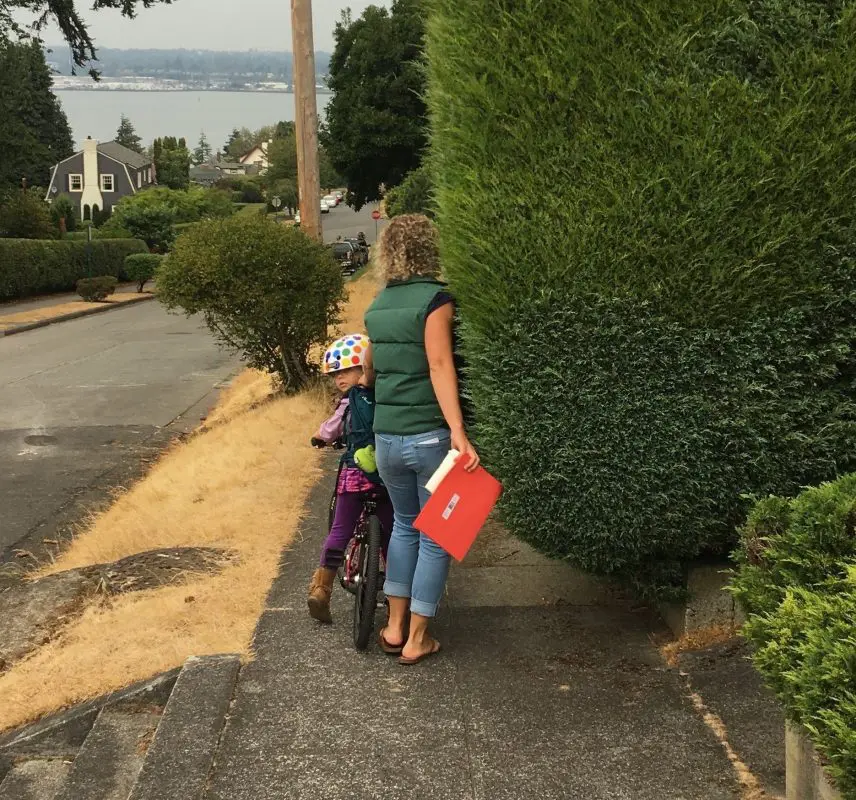
- Removing or trimming overgrown vegetation that obstructs sight lines.
- Performing simple maintenance or minor repairs.
- Updating minor traffic signs or markings.
Capital Projects
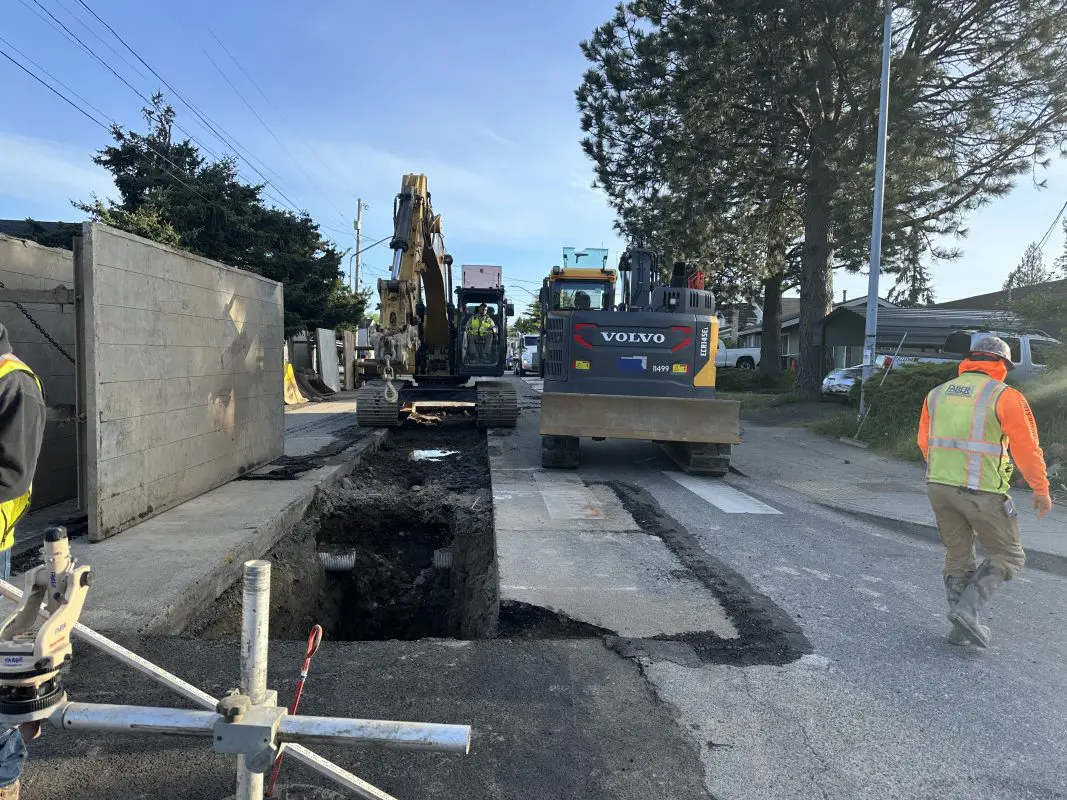
If your concern involves major roadway alterations or needs substantial funding, we will recommend it as a Capital Project. Because of their scope and cost, they are not immediately implementable. These kinds of concerns are recommended to the City’s Capital Improvement Program, where they can be planned for over a longer timeframe and incorporated into larger infrastructure development efforts.
Examples of upcoming Capital Projects include:
Location Studies
We conduct location studies to address traffic safety concerns like speeding, high traffic volume, and pedestrian safety in specific areas. Each year, we select about 25 locations for an engineering assessment. City staff conduct traffic studies and site visits, examining factors such as vehicle speeds, traffic volumes, road layout, crash history, and any unique site conditions. Based on this information, they determine the best traffic calming measures and prioritize them for implementation.
Neighborhood Projects
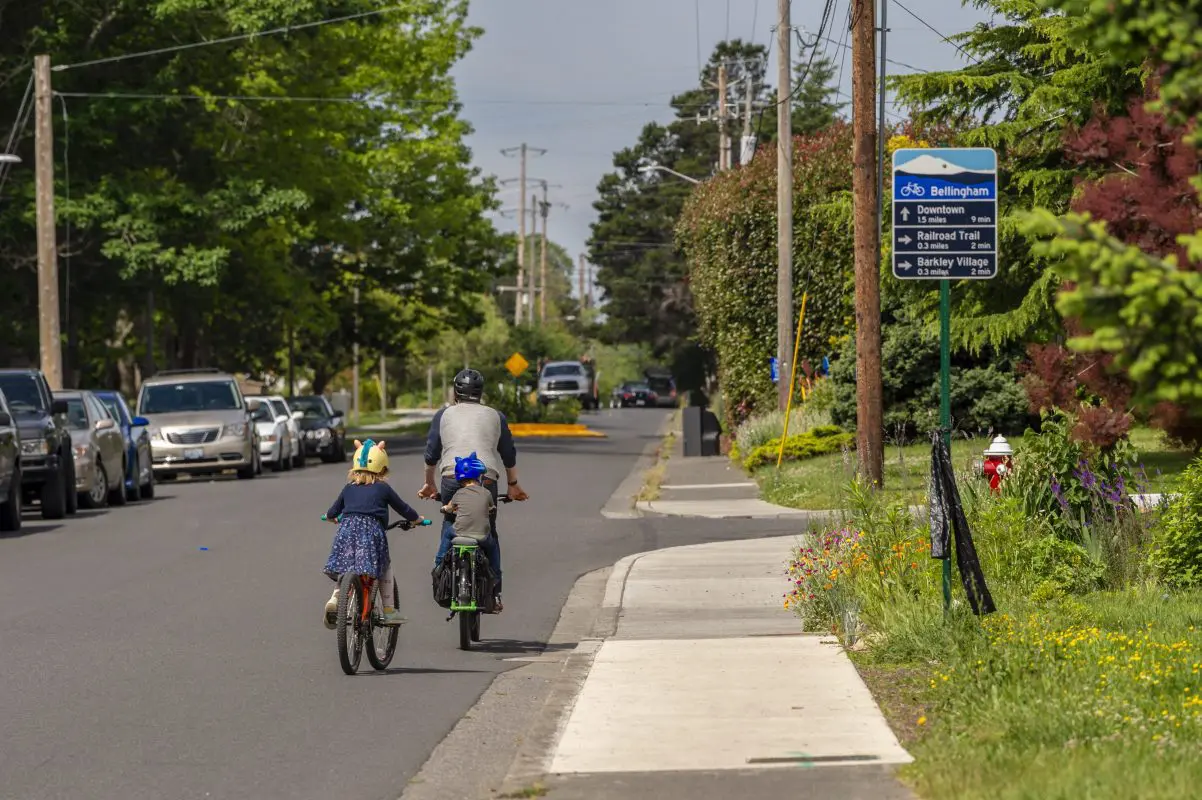
Residents can work together on Neighborhood Projects to improve safety, build community, and address traffic concerns using creative, low-cost approaches. These projects are especially effective in addressing unique community concerns and provide alternative solutions to traditional traffic engineering.
Resources available for Neighborhood Projects include: